

 Contact us
 Visit CPRE.org
 Donate
Disastrous grey belt policy: major new Green Belt threat in Bromley

Developers want Bromley’s Green Belt, claiming it’s grey belt. Where will be next?
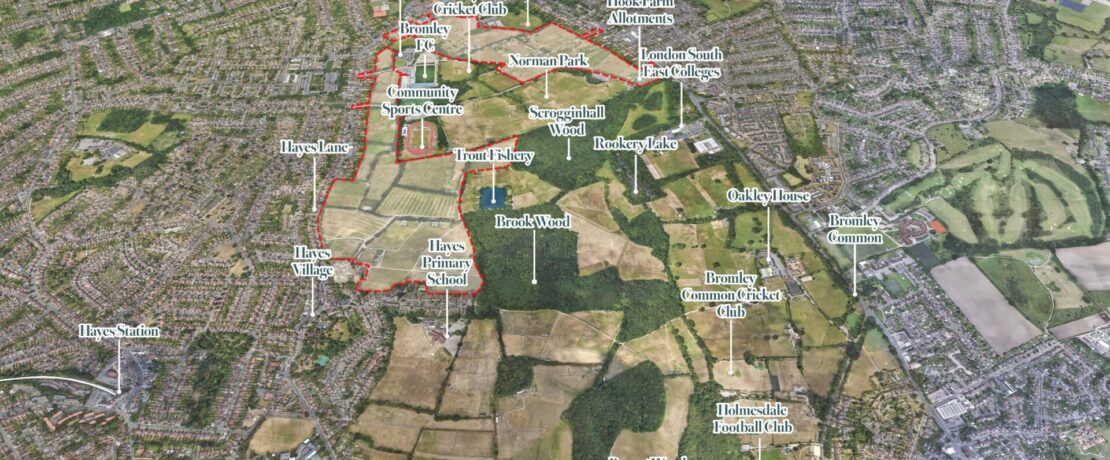
Berkeley Homes want Bromley’s Green Belt released for homes. Much like the ‘smoke and mirrors’ we reported in Enfield, they make claims which are at best designed to mislead.
- Local campaigners have set up a website to show the damage this will do and explain how you can help
Probably they bought the land a long time ago when it was much cheaper because it was clearly protected and had little chance of being developed. But they saw an opportunity with rumblings from government and the London Mayor about allowing Green Belt to be released and, like many other developers and speculators, bought up land around London for its ‘hope value’ – hoping eventually it would be released or the value would go up.
Of course, the minute the government and London Mayor indicate Green Belt might be released for housebuilding, prices immediately rise. So they, and others, are already doing well, while the housing crisis worsens because it is rooted in spiralling land costs. If they can gain planning consent, they stand to make an even bigger profit. This is despite (as we have said many, many times), there are currently 300,000 homes in London with planning permission, waiting to be built on brownfield land (previously developed land within London’s urban footprint). They are just not being built.
In relation to this site in Bromley, the developers, Berkeley Homes, say they will “protect and enhance the green spaces that make this area special”. This is manifestly an unjustifiable claim when the green site will be built on.
They say there are “3,000 residents currently on the borough’s housing register and in need of a home” but do not explain why building homes will tackle this problem which is about the cost of housing, not the number of houses. Unless all or a very large proportion of the houses they build are for social rent (not simply within what is now called the ‘affordability umbrella which includes for example shared ownership), it will do little or nothing to reduce the waiting list or get people out of temporary accommodation.
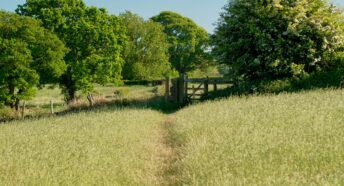
They say they will be ‘opening up land that is currently closed off’ – but of course Green Belt land does not have to be open to the public. The protected status is designed to stop urban sprawl and ensure development happens on brownfield sites, encouraging inner city regeneration. Protected Green Belt can be, and often is, farmland or fields without access.

They say the “Government’s recent “Grey Belt” policy now allows sites like Ravensbourne Place which no longer fully serve the Green Belt purposes and are well connected to local services – to be considered for sensitive, sustainable development” but the site is clearly good quality land; and of course they do not mention there are 300,000 homes in London with planning permission, waiting to be built on brownfield land (previously developed land within London’s urban footprint).
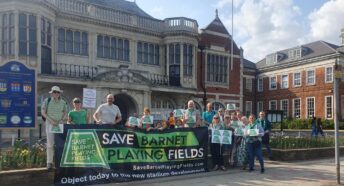
We will be working with Bromley campaigners to save Bromley’s Green Belt and we will continue to challenge the myths surrounding the government narrative about housebuilding.