


Your Response to the Draft London Plan

Do you want to help protect London’s Green Belt and green spaces, but aren’t sure where to start?
A new Draft London Plan 2026 is currently under consultation until the 15th of October. It will shape how London grows, where new homes are built and how our Green Belt, parks, open spaces and wildlife are protected over the next 20-25 years.
In response to the Draft Plan and beyond, CPRE London wants to work with the Mayor of London, the Greater London Authority, boroughs, communities, local green space campaigners, and the development sector to achieve a fairer, greener London for everyone.
Learn more about the Draft London Plan policies and use CPRE London’s template responses to submit your representation before the 15th of October.
Taking part
Every submission into the consultation survey demonstrates public interest in these issues and helps influence the final Plan, which is due to be adopted in 2029. CPRE London have created a template responses PDF to help you take part. You can respond to the policies that are most important to you, copying and pasting the text from the templates into the consultation survey boxes here. Please do personalise these to reflect your own views and local knowledge, sharing with anyone in your network who may also want to get involved.
Across the policy responses, CPRE London are covering:
1. Green Belt release and brownfield development
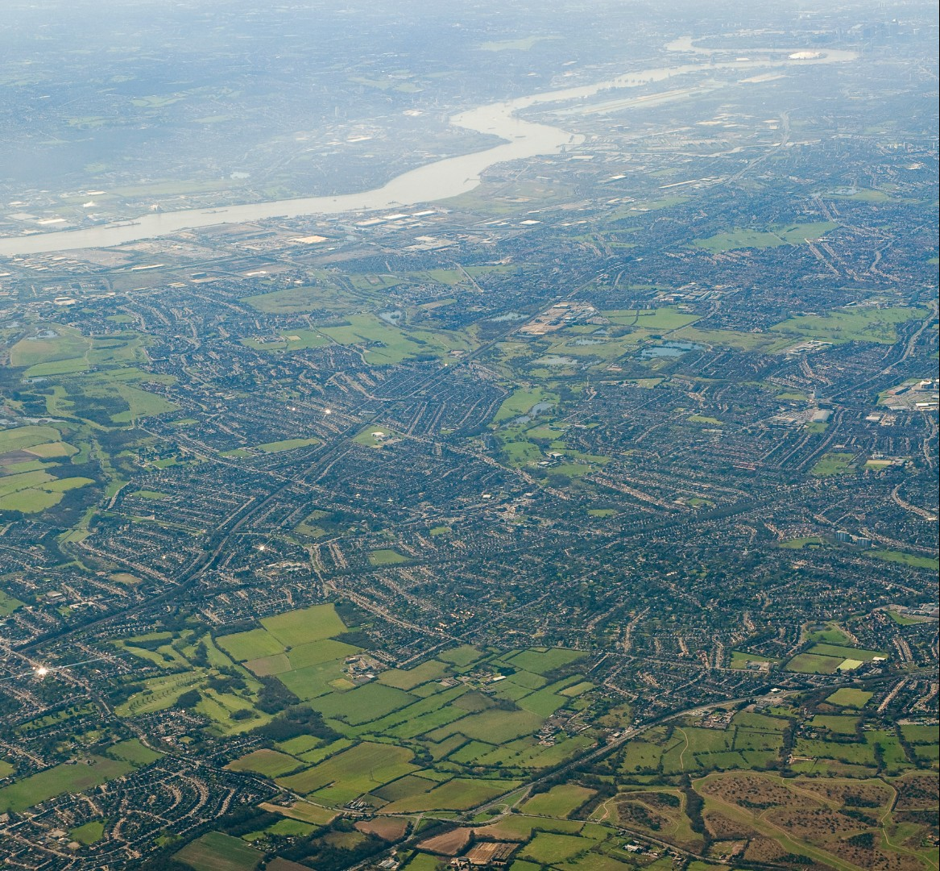
London must make the most of the land we already have before building on the countryside. The capital has a huge opportunity to focus development towards vacant, underused and previously developed sites, creating the homes, jobs and neighbourhoods people need while protecting the Green Belt and the benefits it provides for nature, recreation and climate resilience. To turn this ambition into reality, the Plan must enforce a brownfield-first approach, ensuring every opportunity for genuine affordability, sustainable urban regeneration and well-planned intensification is fully explored before any Green Belt release is considered. This will require investment in the foundations of delivery: a transparent and dynamic London-wide brownfield data system and a permanent Brownfield Delivery Programme to overcome barriers, including through well-resourced local planning teams with the capacity and expertise to unlock sites.
2. Parks, Metropolitan Open Land and Accessible Green Spaces
Our local green spaces are places where people connect with nature, stay active, spend time with family and friends, and find respite from the pressures of city life. Their value comes not only from their size, but from their specific location, accessibility, wildlife, and the vital links they create across London’s wider green network. As London grows, these spaces must be protected and enhanced for future generations. That means stronger safeguards against unnecessary development, excessive commercialisation and land banking, alongside long-term funding, stewardship and meaningful community involvement in decisions about their future. Any changes should include enhancement and only be considered in truly exceptional circumstances, ensuring that the green spaces Londoners rely on remain or become accessible and welcoming for everyone.
3. Climate and nature resilience
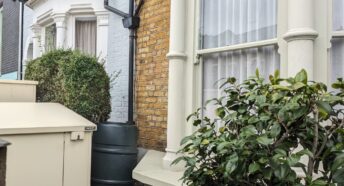
New development should do more than avoid environmental harm. It should actively create greener, cooler and healthier places to live. Trees, parks, green spaces and natural systems must be treated as essential infrastructure that help tackle extreme heat, reduce flood risk, manage food insecurity, support wildlife and improve people’s health and wellbeing. Using the London Nature Recovery Strategy and London Green Infrastructure Framework, the Plan should require measurable and better-integrated climate adaptation, biodiversity and access to green space requirements. This should be embedded at the earliest stages of plan-making and site design to prevent it being treated as a secondary consideration and pushed downstream into the development management process, where opportunities are often reduced or lost altogether due to lack of funds, resources or expertise. The Plan should also explicitly encourage simple, visible nature-based solutions that can transform everyday streets and spaces, from more street trees, rain gardens and kerbside planting to greener front gardens, parklets and small community green spaces. By connecting these local improvements into a wider green network, London can create neighbourhoods that are more resilient to climate change, richer in nature and easier for everyone to access and enjoy.
Please note that the current consultation is to test the legal compliance and soundness of the proposed policies (summarised here). In order to influence change, representations must therefore address these matters specifically and be made by the 15th of October.
If you have any accessibility requirements or questions on the Draft London Plan, you can contact the team directly at londonplan@london.gov.uk, 020 7983 4000 or Greater London Authority, City Hall, Kamal Chunchie Way, London E16 1ZE.
Share your experience
We’d love to hear from you! Let us know how you respond to the Draft London Plan by reaching out to us at planning@cprelondon.org.uk or tag us on social media @cprelondon.
You can also support CPRE London by donating or becoming a member to help us influence decision-making and protect and enhance London’s green spaces for all.