


Water Commission makes key recommendation on householder action

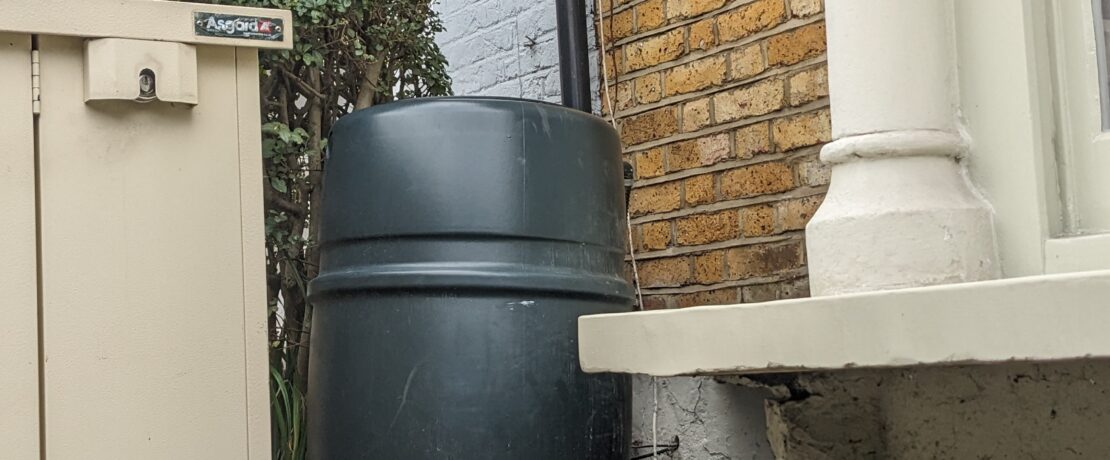
For some time, CPRE London and many others have been saying that sustainable drainage systems (SuDS) are critical to tackling flooding and water pollution in London. The Independent Water Commission’s recent report signals a new focus on SuDS, including the resident-led, low-tech solutions needed to divert rainwater from roof downpipes into water butts, rain planters and rain gardens.
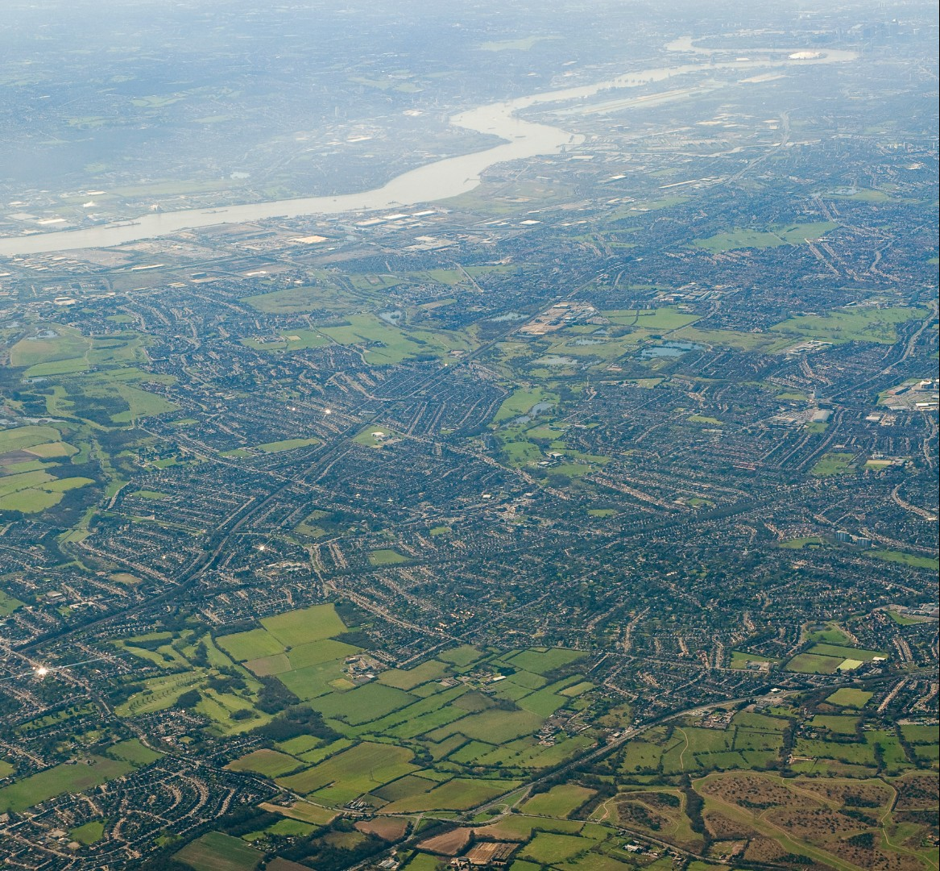
Rainwater and sewage drains are combined in most of central/inner London. As a result, they are unable to cope in heavy rainfall and overflow into rivers, taking raw sewage with them. A ‘Sponge City’ manages these problems with greenery, diverting rainwater away from drains and sewers, and into ‘sustainable drainage systems’ (SuDS). These include water butts, rain planters, ‘rain gardens’ which can be seen on streets or in gardens, and large-scale wetlands in parks or green spaces.
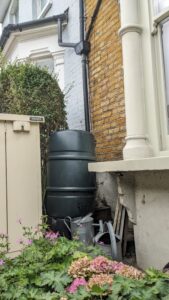
In recent years, the issue of storm overflows – when sewers overflow into streets, houses or rivers, causing floods and river pollution – has led to calls for water companies, local authorities, property developers, highway authorities and regulators to be legally required to consider sustainable drainage.
It now looks as if those calls might be heard. The issue of surface water floods and storm overflow discharges featured in the Independent Water Commission’s final report, published on 21 July.
As the report explains, a combination of climate change and urban creep means that more rainwater is entering the sewers, overwhelming them and increasing the number of incidents where sewage is discharged into rivers, and increasing the risk of surface water floods.
Alice Roberts, Head of Campaigns at CPRE London, said: ‘We were delighted to see the Commission’s report include a recommendation that “… consideration should be given to retrofitting SuDS in existing properties, both commercial and residential, and in public spaces.” We have been working for a few years now to emphasise the critical role that householders and property owners will need to play in tackling flooding and river pollution in London, by diverting water from their drainpipes into water butts, rain planters and rain gardens, and by de-paving their front and back gardens.’
At 464 pages long, the report makes 88 recommendations aimed at restoring public and investor confidence in the water sector in England and Wales.
The key areas for reform include:
• Establishing a cross-sector strategy for water covering the water industry, agriculture, land-use, energy, transport, and housing development
• Modernising the legislative framework
• Establishing a new regulatory framework (including the abolition of Ofwat)
• Changing the way water demands are managed
• Strengthening the governance of companies, including the introduction of a new regime for senior accountability and changes to company licence conditions
• Improving the management of the sector’s critical infrastructure – namely, the underground pipes and other assets that underpin water and wastewater services.
The decision to abolish Ofwat was just one of the Government’s immediate responses to the report.
Emma Hardy, the Minister for Water and Flooding, told the BBC that the Government will be introducing a Water Bill next year, and that it will be examining over the summer exactly how many of the 88 recommendations will be brought into law.
A useful overview of the Commission’s terms of reference can be found here in Sir Jon Cunliffe’s Foreword to the final report. The Commission has also published a summary of the proposals here.
For more information about CPRE London’s campaign to protect front gardens, see here.