



The environmental cost of data storage

Storing webpages, selfies, social media and emails comes at a vast ecological cost. Data centres consume an enormous amount of electricity and water and are often constructed on top of green spaces, which can damage the local environment, disturb wildlife and remove opportunities for public recreation.
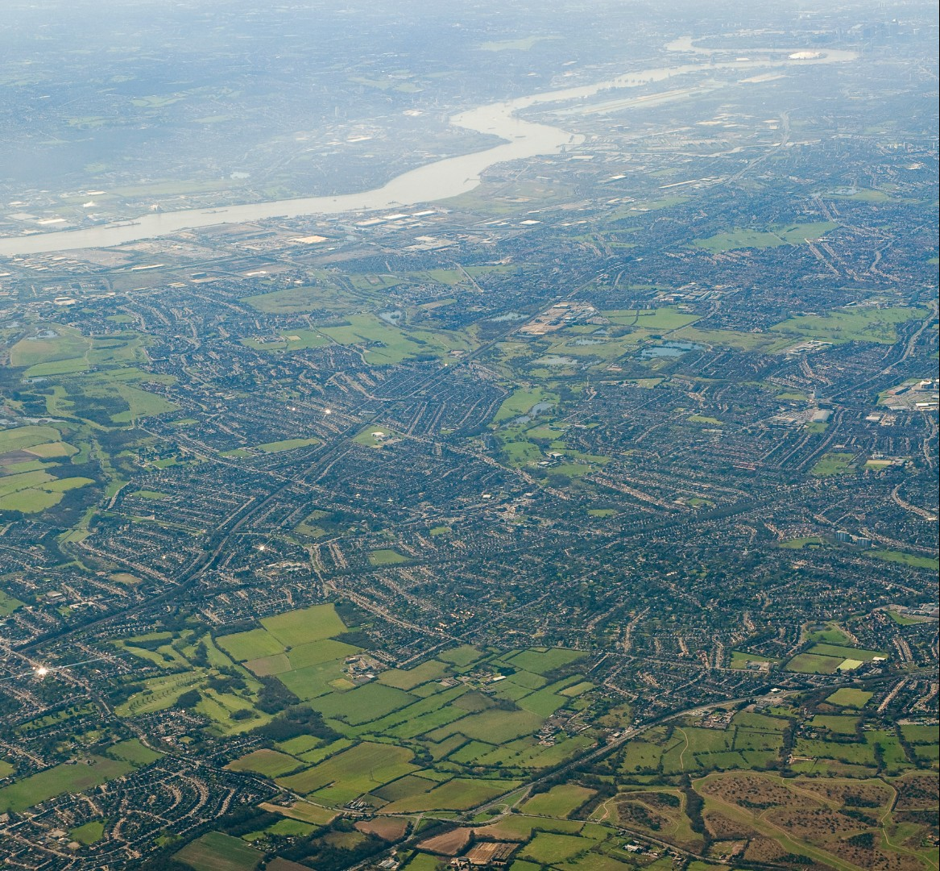
The UK is already home to hundreds of data centres but plans to build more are in the works – including a Green Belt site in North Ockendon, Greater London, that would, if completed, become “Europe’s largest data centre” made up of 15 warehouses up to 21 metres tall, covering 99 acres, or 62 football pitches. Local residents are concerned about a potential erosion of democracy as Havering Council is considering issuing a Local Development Order (LDO) for the project which will allow the developers to bypass parts of the planning process.
CPRE London is calling for stricter controls on data storage and for green spaces to be protected from data centre development. Head of Campaigns, Alice Roberts, said: “Estimates suggest that half of stored data is never looked at. And yet storing it has a significant environmental impact. Unused data should be deleted when it is no longer needed and data centres should only be constructed on previously developed brownfield land rather than the Green Belt.”
The environmental cost
Building new data centres comes with a cost to our countryside and the green belt, which is often considered prime real estate for development. As CPRE London has previously explained, there are countless reasons to preserve the Green Belt. It offers benefits from limiting urban sprawl to providing a refuge for wildlife, a natural retreat for city dwellers and protection against flooding.
There is also the matter of resource consumption and greenhouse gas emissions. Vast quantities of water and electricity are required to keep these centres afloat. Figures from the International Energy Association (IEA) show the energy consumption of a typical AI-focused data centre is the same as 100,000 households, but the largest centres can consume up to twenty times more. Studies have shown that even small data centres are water hungry, needing almost 26 million litres of water per year for cooling purposes. It is no stretch to say data centres put a strain on resources and it’s often the local communities who face the brunt. Meanwhile, we all face the consequences of increased carbon emissions.
Dark data
Not all data is useful or interesting, or even looked at. Dark data is information that is collected and used once (if at all) but continues to be stored despite never being reused. It could be a forgotten email, a call centre recording that is never accessed or irrelevant data collected from internet of things sensors. Estimates from the Academy of Social Sciences suggest as much 65 percent of data could be considered dark data.
Data centres seem to be an increasingly unavoidable part of modern life but climate change is too, and questions remain over the sheer number that are being built, particularly in light of the mountain of dark data currently being hoarded.