


Ten New Parks Campaign – 2025 Update
Ten New Parks is CPRE London’s long-term project to support local campaigning groups to bring a number of green spaces back into use for public amenity, helping them create visions and advocate for new parks and nature reserves. Know of a neglected space near you that would benefit from having a clearer identity? Read on and be inspired!
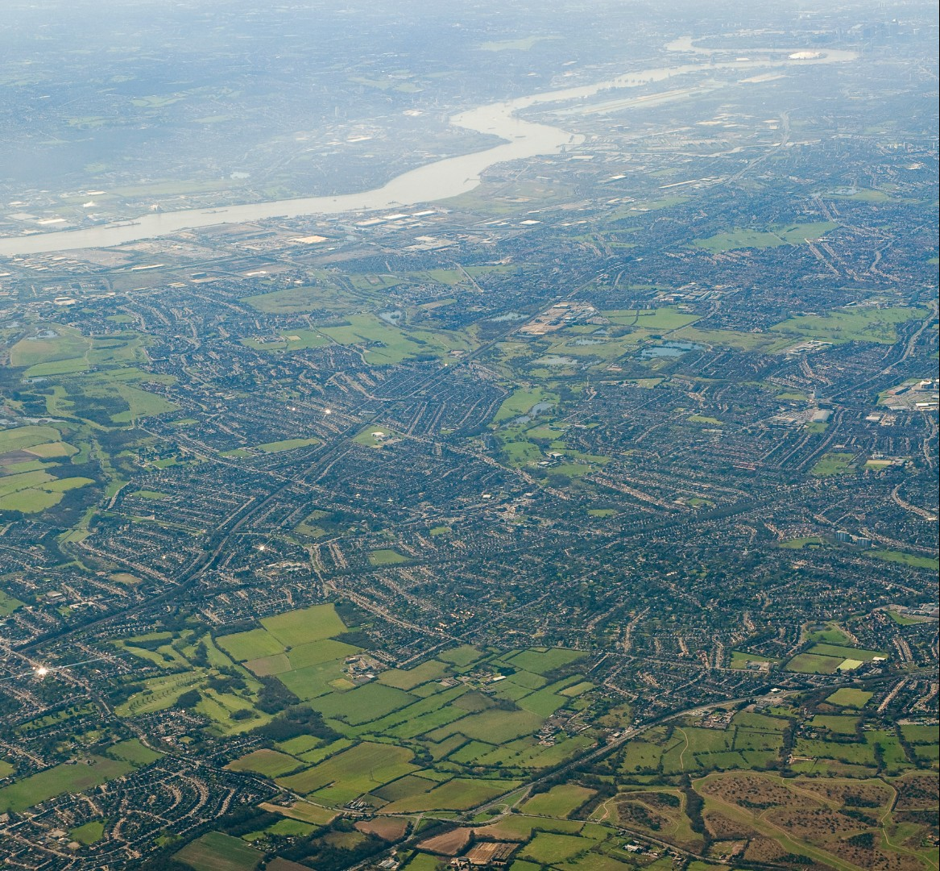
London has just half the green space it needs for a population its size. And yet there are many green spaces in London which are just sitting idle – at best ignored, at worst deliberately run down by owners and coming under threat from development. These are amazing green and protected sites which have been undervalued, simply left doing nothing – but which local communities want to bring back into use and turn into major new parks – and we want to help them do that.
Since 2020, CPRE London has been supporting local resident groups to write to, and have meetings with, decision makers in their local council, the GLA and other key organisations; with advice on strategy, legal issues and potential sources of funding; with peer networking and helpful contacts; and with getting articles in local, London and even national newspapers and TV – and using our social media channels to amplify their voices. We’ve also given evidence on the issue of protected but derelict / out-of-use land to the London Assembly Environment Committee and the GLA as well as many London boroughs, politicians and key influencers.
- East London Waterworks Park
East London Waterworks Park is an idea conceived by local people. At its heart is a community group that wants to acquire and transform the 14-acre ex-Thames Water Depot in Waltham Forest into a brownfield rainforest offering people the opportunity to immerse themselves in nature. The site is protected Metropolitan Open Land and East London Waterworks Park believes opening it up to public access, creating biodiverse habitats including wild swimming ponds, and bringing the industrial heritage buildings back to life as community spaces is best for the land, the environment and the community. In 2022/23 East London Waterworks Park campaigners crowdfunded a staggering half a million pounds and acquired a £2 million philanthropic loan.
PROGRESS: The site is owned by the Department for Education and has recently been identified by London Councils as a suitable location for a pan-London secure facility for children. However, a planning application has yet to materialise and London Councils is currently waiting to hear if the Department for Education will fund its plan. While the secure facility is in limbo, East London Waterworks Park campaigners are continuing to co-design the park, look for small sites to rewild, and develop its sociocratic approach to community organising for the environment.
- Banbury Reservoir Park
Near to the vast Meridian Water housing development in Enfield, there is a patchwork of green spaces to the west, north and east of the Banbury Reservoir. These have been degraded as a result of fly-tipping, gravel extraction and road building and widening. In Enfield Borough’s masterplan for the development, various proposals have been put forward for a new park to sit next to the high-density housing. However, local residents are very concerned that, with a much higher population, there will not be enough provision of green space and playing fields for this area, which already lacks enough green space facilities for the existing population. Local residents want to propose a vision for a new park which incorporates various pieces of land directly adjacent to the new development but also land to the north of the North Circular and fields surrounding the Banbury Reservoir, making better use of fields which have been left to become derelict and using Compulsory Purchase Orders for private land where necessary. New features and facilities could be as diverse as new playing fields, a BMX track, ball courts, a nature park and much more.
PROGRESS: The local campaigners have updated their vision document for the new park and continued to liaise with local authority officers regarding the future of the green spaces surrounding the reservoir.
- Edgelands Park (River Roding)
The Edgelands proposal, created by campaigners River Roding Trust, is to turn a disused stretch of riverside, brownfield and greenfield sites into a new linear park and walking route, connecting the Roding Valley Way to the Thames Estuary. The area includes two areas with playing fields owned by developers that are now completely fenced off and thus out of use. It is an ethnically diverse area with high levels of deprivation, poor access to green space and communities severed by roads and railway lines. Much of the land is protected Metropolitan Open Land and also a rich habitat for wildlife.
PROGRESS: Following a successful funding application, the River Roding Trust have been working on a detailed implementation plan with Thames 21, as well as running a series of outreach activities to raise awareness of the Edgelands vision and get the local community involved in practical activities to protect the river and its environs.
- Crayford Marshes
The Friends of Crayford Marshes are campaigning to save this much-loved site located in Green Belt on the Thames at the outer edge of South East London. The site is protected Green Belt and a nature reserve with rare birds including red-listed breeding birds; Skylark and Corn Bunting. Common and Grey Seals can often be observed along the River Thames, plus this site has considerable historic interest, but is now under threat as it has been bought by developers.
PROGRESS: The friends have been using the newly created Crayford Marshes Vision, supported by a number of environmental charities including CPRE London, to reach out to Parliamentary candidates gaining cross-party support. Local MP Daniel Francis said: “Crayford Marshes are a much loved local asset and it is positive to see a community led vision that will help raise awareness with the wider community and different stakeholders to protect and enhance accessibility to the wonderful environment of the marshes”.
- Quaggy River Sports Park
The Quaggy Playing Fields are a classic example of ‘land banking’ where individuals and developers buy land and sit on it in the hope that they could wear down the council into overturning the land designation and allowing development. Much of the site has been fenced off with once thriving sports fields effectively left derelict. The Friends of Quaggy Fields are looking to create a new River Quaggy Sports Park, working with the Borough, owners and managers of all the adjacent sites to create a coherent park with a distinct identity where members of the communities at Lee, Kidbrooke and beyond can enjoy the benefits of well managed sports fields and more generally as an open access site for recreation, walking, leisure and nature.
PROGRESS: The Friends of Quaggy Fields have been contacting Greenwich councillors, the local MP and council officers asking them to secure the future of the playing fields. They received several positive responses, including an offer from local councillors to meet with local sports clubs to hear what their needs are. Clive Efford MP has also offered to support the opening and retention of local playing fields for sports clubs’ use.
- Railway Children Park
Grove Park Neighbourhood Forum is campaigning to make their vision for the Railway Children Urban National Park a reality. Proceeds from the Community Infrastructure Levy and other S106 development agreements can secure the funding to realise this District level Parkland. The land is already protected by its designations such as Metropolitan Open Land and Site of Importance for Nature Conservation. Unfortunately, this doesn’t stop developers trying to destroy the habitats and remove its open land designation.
PROGRESS: As part of the wider Grove Park Urban District Park Masterplan, the Northbrook Park Wetlands and Stream Restoration project daylighted a previously culverted watercourse into a thriving ecological space. The project has created new wetlands, a rewiggled stream, and enhanced wildflower and wet woodland habitats, boosting biodiversity and strengthening climate resilience.
- Gorne Wood
Gorne Wood in Brockley South-East London is a designated site of Ancient Woodland – the closest to the City of London. Tucked between houses and a commuter railway line is an extremely rare living remnant of the Great North Wood where 400-year-old trees, endangered and protected species and ancient hedgerows can still be found. The woods are now in private ownership, local people have been shut out, and the site is now being damaged and degraded. There is a risk it will be lost forever. The Fourth Reserve Foundation has been successfully running a nature reserve adjacent to Gorne Wood since January 2018. They have created a vision for the Gorne Wood site with objectives to re-wild the community section of the woodland facilitating outdoor education opportunities. They have raised £130,000 towards the purchase of the land.
PROGRESS: The Fourth Reserve Foundation have completed their Phase 1 Business Plan setting out their vision for Gorne Wood. The Local Plan was adopted in July 2025 and the site is now formally designated as Metropolitan Open Land. The Council is now exploring next steps while the Fourth Reserve work on Phase 2 of their Business Plan which will look at high level feasibility plans to protect Gorne Wood while providing a community woodland garden. Since the Local Plan was adopted there has been a flurry of activity on site and the landowners have submitted an application to build on the woodland. CPRE London are working with the Fourth Reserve to protect the site and oppose the new proposed development.
- Beddington Farmlands
Campaigners led by Wandle Valley Forum have been calling on Sutton Council to act to enforce the planning conditions for an incinerator which require the waste management company that now owns the site to restore and open up the Beddington Farmlands Nature Reserve. The campaign has been going on more than a decade while wildlife, including the threatened northern lapwing, has significantly declined. The nature reserve was required to be delivered by the end of 2023.
PROGRESS: The site owners have put forward different plans for the nature reserve which are weaker for both wildlife and public access than originally required. Sutton Council has agreed the owners – Valencia Waste Management – “have categorically failed us” but still not taken enforcement action. CPRE London has been helping Wandle Valley Forum with legal support and amplifying its voice via conventional and social media.
- Hatton Fields
Hounslow Council’s draft Local Plan includes the allocation of Hatton Fields as a site for an Airport Business Park. So the Friends of Hatton Fields formed to campaign to stop this precious local green space being turned into warehouses. They created a vision and have been working together since.
PROGRESS: Friends of Hatton Fields were disappointed to see the recent government announcement supporting the expansion of Heathrow airport and are concerned that this will increase demand for the proposed warehousing and further endanger the fields. Further details may emerge around the Local Plan with a public hearing likely to take place later in the year. The campaigners stand by their objections submitted in previous rounds of the consultation and will continue with their work to grow awareness and inform the local community about the threat to their local green space. The Friends of Hatton Fields have released a 2025 calendar with photographs of the fields and hope to run a series of education sessions and bat walks over the summer months.
- Warren Farm
Warren Farm Nature Reserve is a rewilded 61-acre urban meadow in London UK, part of Brent River Park in the borough of Ealing. This beautiful green space is home to an abundance of common, rare and endangered species – such as a quarter of London’s breeding Skylark population, Barn, Little and Tawny owls, rare Clovers, Beewolves, Yarrow Pugs, Bats, Slow worms, Thanatus striatus spider a first record for Middlesex, Copse Bindweed which is facing UK extinction and many more. The local campaigners have been calling for the council to give the site a clear identity as an official Local Nature Reserve. They have gained support from notable wildlife organisations and conservationists including Kabir Kaul, Chris Packham, Iolo Williams and more than 26,000 people who signed their petition which is still live.
PROGRESS: In a groundbreaking development in March 2024, The London Borough of Ealing’s Cabinet confirmed that it would designate all of the council owned land at Warren Farm as a Local Nature Reserve while relocating the proposed sports facilities, that would have destroyed the rewilded meadow, to the neighbouring land owned by Imperial College. This will safeguard Warren Farm Nature Reserve and its rare species while allowing for the creation of a Brownfield Nature Reserve to act as a vital Buffer Zone between the now potential neighbouring sports fields and the main rewilded meadow. The Warren Farm Nature Reserve campaign is ongoing, with the official Local Nature Reserve designation in slow progress, it is heading in the right direction but it’s not over the line just yet.
- See our google map showing all ten sites, helping demonstrate the scale of the issue.
- Click here for more detail on the local campaigns
Please help support this important work by giving to our Ten New Parks programme here today!