


Cashing-in on London’s Parks and Countryside
Dame Judi Dench calls for protection for trees and access to nature, as our new report shows over 50 London parks and green spaces battle commercialisation.
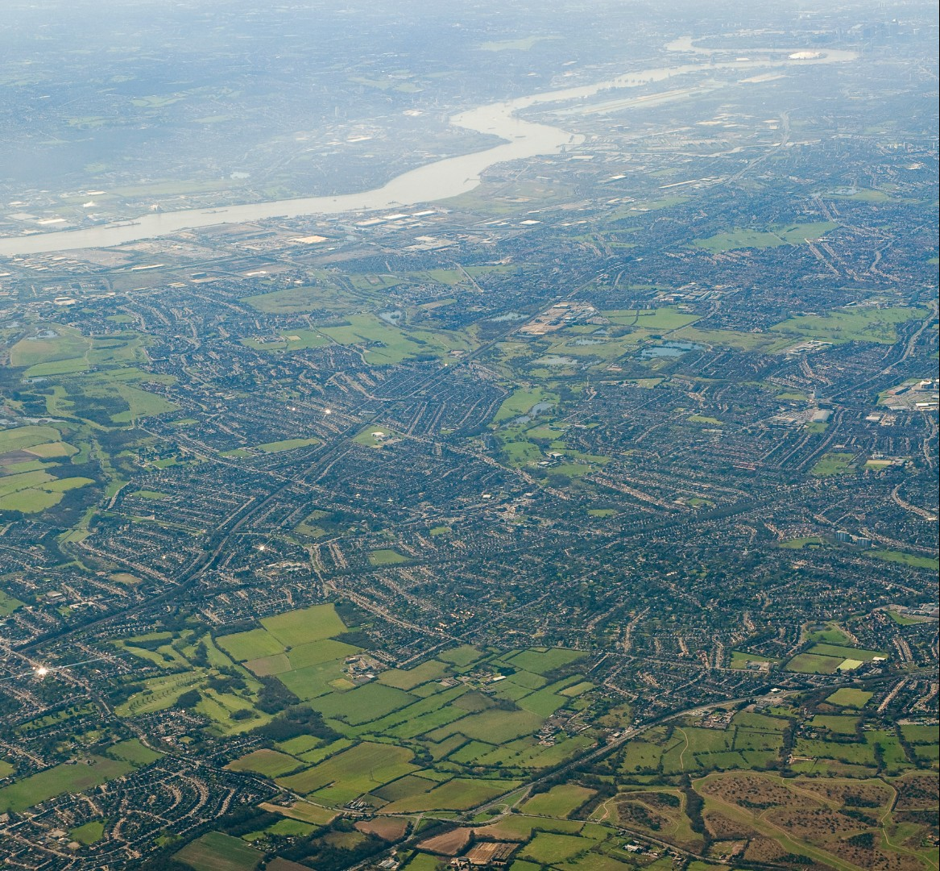
Published today, our new report Cashing-in on London’s Parks and Countryside highlights more than fifty parks and green spaces in London that are currently under serious threat from development and commercialisation.
Two years on from our last report, some spaces have been saved, but too many sites have been lost, many are still in danger and new sites have come under threat.
Key findings in the new report include:
- Over 50 sites are under threat including Green Belt, Metropolitan Open Land, parks, recreation grounds, sports fields, nature reserves, and other green spaces.
- Worst hit boroughs Bromley, Greenwich and Havering have four or more sites under threat.
- At least nine parks, eight playing fields and eight nature reserves are currently at risk, including Whitewebbs Park, Wimbledon Park and Greendale Park.
- Six green spaces were saved last year, including the pitches at Finsbury Leisure Centre, but seven were lost, including Crossness Nature Reserve.
Alice Roberts of CPRE London said: “In the past two years, we’ve faced two new challenges. Almost unbelievably, a legal judgement confirmed that councils have unfettered powers to sell parks. Elsewhere, parks are being turned into commercial event spaces. If you think London’s parks are protected, think again.
“Second, the UK government has caved in to lobbying to remove Green Belt protection, introducing a ‘grey belt’ policy enabling landowners to cash-in on protected countryside land they bought cheaply years ago, despite widescale availability of brownfield land in London, including a staggering 300,000 homes with planning permission unbuilt.
“Councils are the custodians of public rights over parks. The law must be tightened so councils cannot treat them as financial assets to sell or rent when times are tough. We are also calling for an end to damaging ‘grey belt’ policy which is threatening Green Belt farmland.”
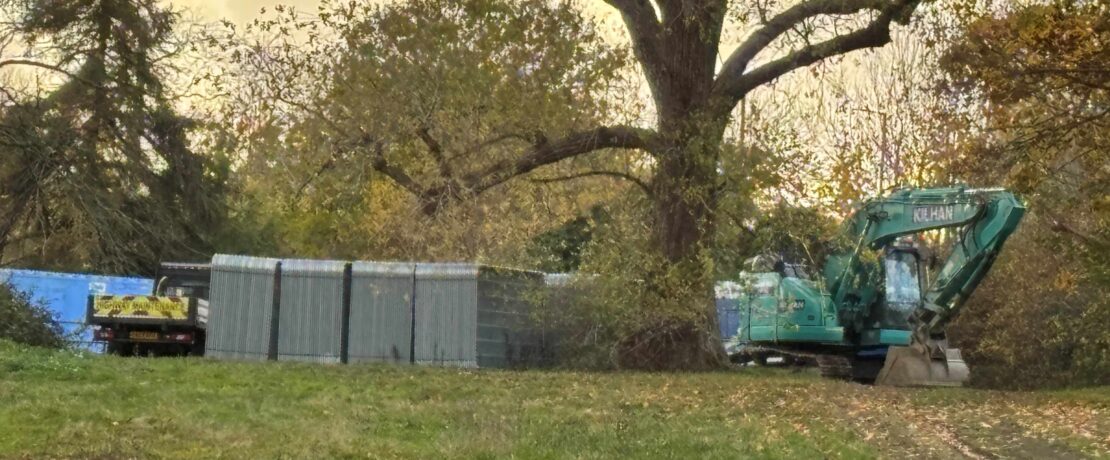
Dame Judi Dench, a supporter of the campaign group Guardians of Whitewebbs, a park in Enfield which the local council has agreed to lease to Tottenham Hotspur Football Club, said: “Staggeringly, ten percent of public land in Britain has been lost since 1979. Whitewebbs Park in Enfield is one of the public parks currently under threat. There a 450 year-old oak tree was brutally butchered and Spurs’ plans to develop the park involve cutting down 207 trees, including veteran and mature trees, and taking over most of the park for their elite private use. It is absolutely essential for us to protect these trees and people’s access to nature. Campaign to Protect Rural England London (CPRE London) is assisting the fight to save Whitewebbs and other sites currently under threat and it is clear to me that it is more important than ever to protect our parks and green spaces, before it’s too late.”
Case study: Whitewebbs
Whitewebbs Park in Enfield is facing an immediate threat from development. This follows the council’s decision to grant Tottenham Hotspur Football Club (Spurs) a lease and planning permission to transform the park into an extensive training facility – a move that will lead to the loss of a public amenity and cause damage to irreplaceable habitats.
The plans are currently being challenged by the campaign group Guardians of Whitewebbs, who have initiated a judicial review to appeal Enfield Council’s decision.
Case study: Wimbledon Park
Wimbledon Park is being threatened by the All England Lawn Tennis Club (AELTC), who plan to expand into a section of the park categorised heritage parkland. Designs include a new 8,000 seat stadium, 10 private buildings, 34 courts and over 9 km of roads. The decision to develop Wimbledon Park would limit public access to the park to a matter of weeks, despite its status as Metropolitan Open Land. The campaign group Save Wimbledon Park has launched a petition, which has so far secured over 22,000 signatures.
The new report will be formally launched at a webinar on Thursday 22nd January at 12.30pm with presentations from campaigners representing some of the threatened green spaces and discussion about how groups can work together to protect these spaces for the future. Free tickets for this online event can be booked here.