


New Research Published on the Importance of Front Gardens

New research concludes “as urban areas continue to expand and climate-related challenges intensify, recognising and enhancing the role of domestic gardens could contribute to more sustainable cities.”
Since 2025 CPRE London has been working with others to promote de-paving and re-greening of front gardens through The London Front Gardens Network. The platform is open to everyone and exists to bring together people working in this area to exchange information and ideas, amplify the voices of individuals, and promote joint working where it can increase impact.
Why front gardens?
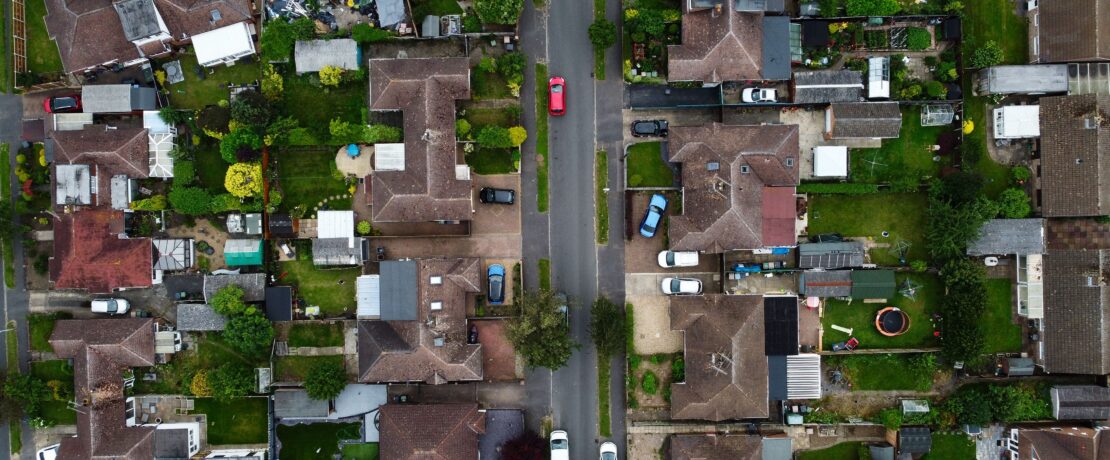
Excessive paving of front gardens has a compounding impact across the city. Our article almost two years ago summarises this, highlighting that the loss of these green spaces can contribute to:
- Residential flooding, as water is no longer absorbed but runs off into the sewers.
- Sewage pollution, as excess rainwater run-off overwhelms sewers which then overflow into rivers.
- Hotter cities, as soil is replaced with hard standing (reducing the natural air-cooling effect of greenery).
- The nature crisis, as numbers of vital pollinators reduces when greenery and habitat is lost.
- Unwelcoming and unattractive streetscapes, lessening the enjoyment of the neighbourhood for local residents.
What does the research say?
New research has just been published exploring this in more detail. Specifically looking at the role of domestic gardens on air pollution and heat regulation, a year-long field study in two London neighbourhoods reminds us why the Front Gardens Network is so important.
By taking a small sample size and comparing this across seasons in a real-world setting, several significant conclusions were drawn. This includes:
- “Temperature differences between paved and vegetated gardens confirmed the role of vegetation in mitigating urban heat and enhancing local thermal comfort. Hedges in front of vegetated gardens were found to enhance temperature regulation, slightly increasing temperatures by 0.58°C in cold months and reducing them by 2°C in warmer months”.
- “Vegetated gardens were associated with reductions in PM10 and PM2.5 concentrations of up to 76% and 80% in summer, and 42% and 30% in winter, compared to non-vegetated gardens”.
- “Paved gardens, however, were consistently associated with higher temperatures and poorer air quality in comparison”.
The research also found that “the effectiveness of domestic gardens in improving air quality is heavily influenced by their location, vegetation type and season.” This makes site-specific considerations, design and best-practice sharing key components of making the most of our local opportunities for green space.
Beyond the study itself, The London Climate Resilience Review (2024) flags front gardens as an important but often overlooked part of London’s climate resilience. It recommends encouraging Londoners to de-pave front gardens and other hard-surfaced spaces to help absorb rainwater, reduce flood risk, support wildlife, and improve local climate adaptation efforts. The report specifically raises that “the drains in most urban areas were built many years ago and were not designed to cope with increased rainfall. Paving front gardens further adds to the problem.”
The loss of front gardens is not just an environmental issue; it’s an equity issue. Communities with less green space, which are often lower-income and more densely built-up areas, are already more exposed to overheating, air pollution and flooding. Replacing front gardens with hard surfaces increases these risks further while removing one of the few opportunities for local cooling, water absorption and nature in the urban environment.
Although many of us may not be surprised to learn that urban greening helps to reduce air pollution and regulate temperature, this newly published study supports a strong foundation for what we do next.
Beyond the study
The study offers three actionable ways to use the data:
- As the evidence demonstrates the value of domestic gardens in improving urban environmental quality, the study calls for these spaces to be included within urban planning and green infrastructure strategies.
- Policymakers should prioritise investment in small-scale, evidence-based interventions that reflect local environmental conditions and community needs.
- Further research should be explored to strengthen the evidence base. Larger, controlled studies are recommended to help better inform design recommendations.
Our Front Gardens Network provides an opportunity for people concerned about the loss of these underestimated green spaces to share experiences, raise issues, and discuss solutions. We meet online three times a year with newsletters in-between to build the movement, discuss local front garden projects and influence policy change across the capital.
If you would like to learn more or take part, you can reach us at planning@cprelondon.org.uk.