


Green Belt at risk under Draft London Plan

The Draft London Plan, currently open for consultation, introduces a significant weakness in London’s Green Belt policy.
While giving evidence to the London Assembly Environment Committee last week, CPRE London’s Operations Director John Sadler said: “We would like to see the London Plan provide much stronger protection and enhancement of green spaces, the Green Belt, parks and wider green infrastructure… unless that is done, we do not consider the Plan would be sound.”
The current London Plan
The Green Belt and Metropolitan Open Land (MOL) have been traditionally protected from urbanisation, with development only considered under exceptional circumstances. Within heavily populated cities, both Green Belt and MOL support London’s health, food security, climate resilience and ecological connectivity. In fact, Policy G2 – London’s Green Belt of the current 2021 London Plan sets out to protect the Green Belt by stating:
“London’s Green Belt makes up 22 per cent of London’s land area and performs multiple beneficial functions for London, such as combating the urban heat island effect, growing food, and providing space for recreation. It also provides the vital function of containing the further expansion of built development. This has helped to drive the re-use and intensification of London’s previously developed brownfield land to ensure London makes efficient use of its land and infrastructure, and that inner urban areas benefit from regeneration and investment.
Openness and permanence are essential characteristics of the Green Belt, but, despite being open in character, some parts of the Green Belt do not provide significant benefits to Londoners as they have become derelict and unsightly. This is not, however, an acceptable reason to allow development to take place. These derelict sites may be making positive contributions to biodiversity, flood prevention, and climate resilience. The Mayor will work with boroughs and other strategic partners to enhance access to the Green Belt and to improve the quality of these areas in ways that are appropriate within the Green Belt.”
10% of future housing to come from Green Belt
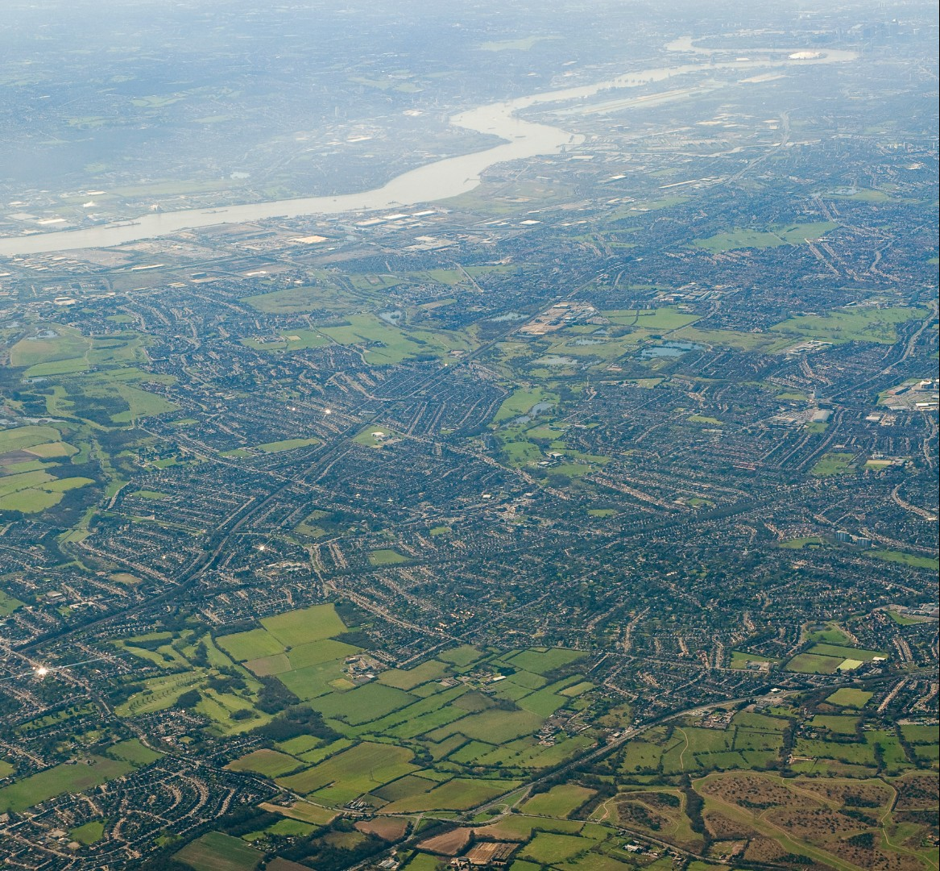
Despite this, the 2026 draft Plan identifies 10% of London’s housing growth as coming from the Green Belt over the next 10 years with a clear framework set out for Green Belt release. Under this Plan, boroughs would be instructed to execute the following expectations set by Policy HN1 – Increasing London’s housing stock:
• 502,351 homes are expected to be delivered on brownfield land; and
• 56,100 on greenfield across the following boroughs: Hillingdon, Havering, Barnet, Enfield, Croydon, Redbridge, Harrow and Barking & Dagenham.
Hillingdon Council has publicly objected to the draft London Plan, arguing that the strategy enforces the council to build upon 61% of their green space. Cllr Steve Tuckwell (Leader of Hillingdon Council) explained:
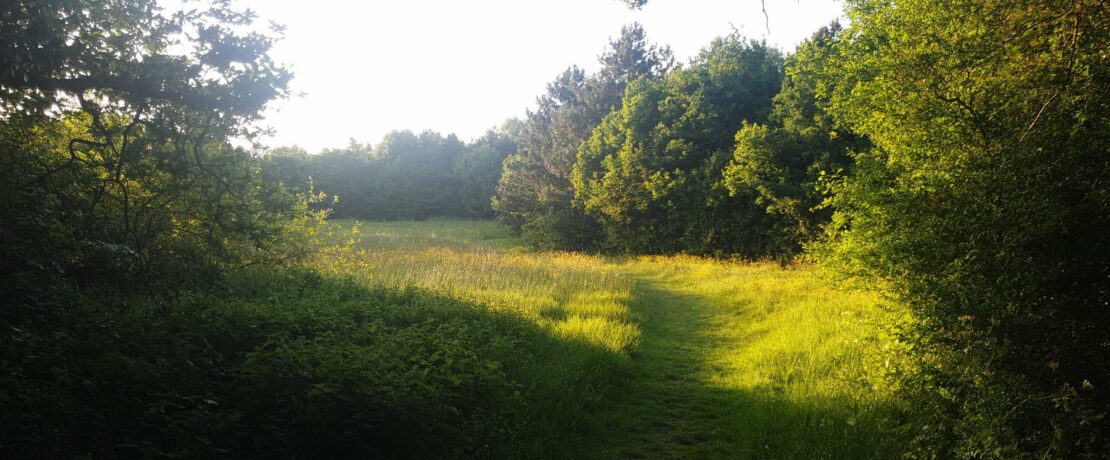
“Our green belt isn’t spare land waiting to be built on. It protects our communities from urban sprawl, supports wildlife, improves our air quality and provides open spaces that residents value. Once it’s gone, it’s gone for good.”
CPRE London previously responded that the London Plan should be redrafted so that MOL retains the strongest protections and is not linked to weakened national Green Belt policy. The draft Plan now reflects this which we are pleased to see, separating Policy PV6 – Metropolitan Open Land (MOL) and Policy PV7 – Sustainable development and enhancement of the Green Belt. PV6 continues to recognise MOL’s contribution to recreation, biodiversity and London’s overall quality of life, whilst the title of PV7 disappointingly confirms Green Belt as being positioned for development.
Brownfield First: Optimising London’s Existing Land
In addition to Policy PV1 – Brownfield First Opportunity Areas (BFOAs), the following policies do support a Brownfield First Approach:
• MBUL2 – Optimising the use of land and site capacity
This policy requires development to make efficient use of land through measures such as design codes, masterplans, site allocations and appropriate densities. For Green Belt sites, MBUL2 specifically directs decision-making towards PV7, creating a distinction between the optimisation of existing urban land and the potential release of Green Belt.
• MBUL5 – Sustainable transport to enable London’s growth
Aims to reinforce this approach by requiring transport interventions to support housing and economic growth while optimising public transport, walking and cycling routes and reducing overall reliance on private vehicles. If Green Belt release was to be deemed acceptable, local authorities and developers will have to determine whether the site was located near accessible, sustainable transport.
Together, these policies may encourage housing targets to be achieved through brownfield sites; however, there is significant concern as to whether they will actually be optimised to their full potential under the current draft. To support this, constraints outside of the planning system itself must be prioritised, with the Mayor’s Foreword listing “high interest rates, the rising cost of construction materials, the legacy of the pandemic, a shortage of skilled workers and the lasting impact of Brexit”, to name a few factors.
In 2020, CPRE demonstrated that there was a substantially greater potential for brownfield land than the official registers identified. For instance, it was estimated that there was room for potentially 37,000 homes in Enfield compared to only 2,170 on their published register.
The Plan must therefore categorically position Green Belt development as a last resort and require that brownfield optimisation has first genuinely been achieved, explicitly defining this. Inconsistent brownfield registers and existing barriers to development must be systematically addressed in collaboration with local authorities before Green Belt release can be considered, otherwise undermining both the Plan’s intended objective and the essential function of this finite land.
Next Steps
CPRE London are now in the process of reviewing the draft London Plan and preparing our response, which we will share with you soon. The consultation closes on 15th October 2026. To participate you can use the online consultation platform, attend the in-person event on the 22nd of September or email londonplan@london.gov.uk with any questions.