


 Contact us
 Visit CPRE.org
 Donate
Green Belts Stop Damage to Urban Sprawl
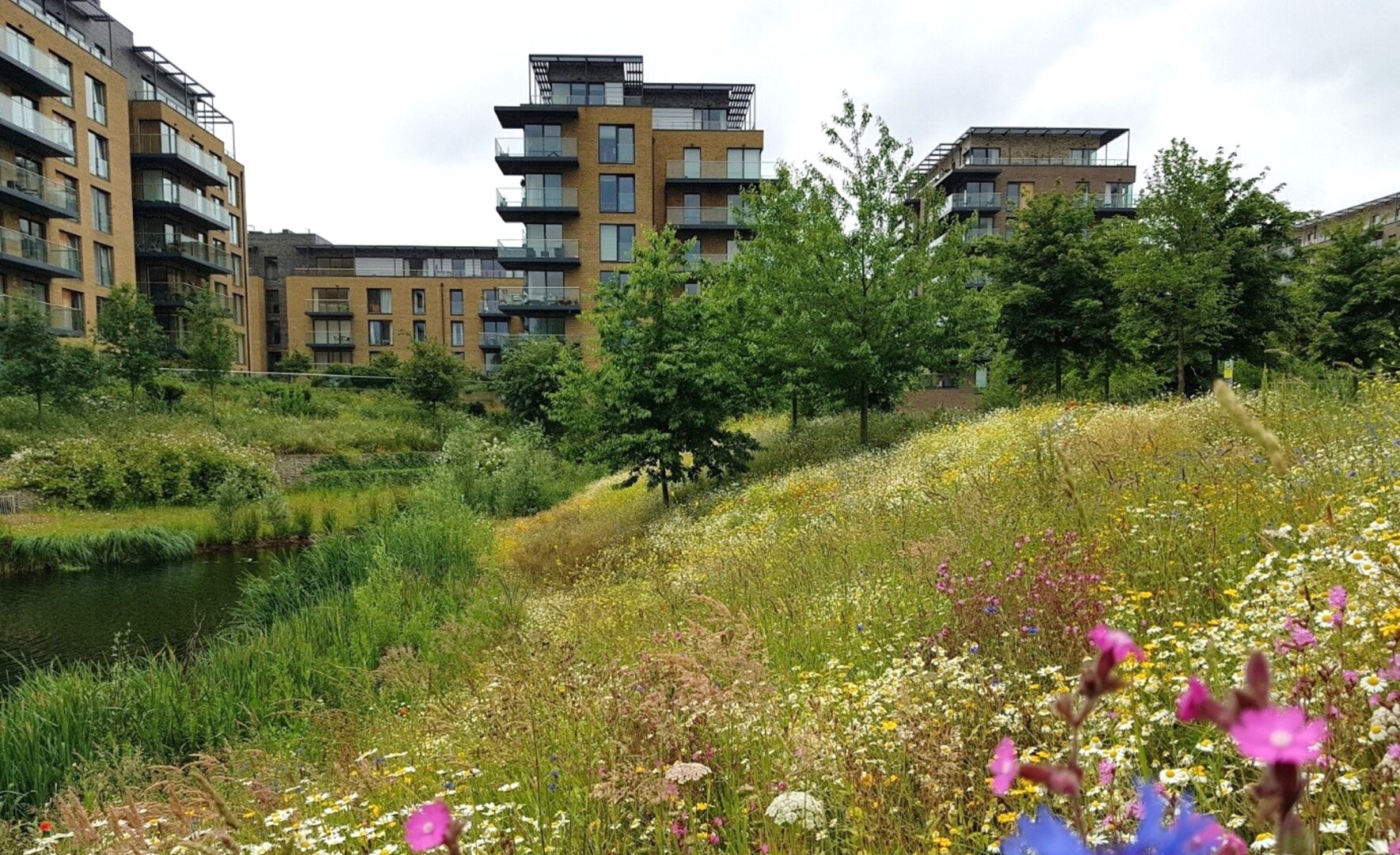
What sustainable patterns of development actually look like
Sustainable patterns of development are those that prevent urban sprawl and reduce carbon emissions.
Urban sprawl spreads development further into the countryside, often creating places where people have little choice but to rely on cars to reach work, shops, schools and services. This leads to high car dependency, longer journeys, higher carbon emissions, and the loss of countryside and nature.
Stopping urban sprawl allows development to be focused within existing towns and cities, where homes can be built in ways that support walking, public transport and lower carbon living. Protecting the Green Belt, the areas of land around towns and cities that are safeguarded from development, is therefore central to creating truly sustainable development and protecting the countryside.
Sustainable development focuses on improving towns and cities rather than expanding further into rural areas.
Well designed, low carbon development:
-
Makes it easy to reach shops, jobs, schools and services locally
-
Prioritises walking, cycling, wheeling and public transport over car use
-
Reuses previously developed land and existing buildings wherever possible
-
Supports mixed use neighbourhoods where homes, jobs and services are close together
-
Reduces the need for private car ownership, including through car share schemes
-
Is energy and water efficient by design
-
Includes trees, green spaces and nature rich streets
-
Is well maintained and efficiently managed
These approaches are far more carbon efficient than car dependent urban sprawl and help protect the countryside by reducing pressure to build on the Green Belt.
Read about better ways to make homes affordable without building on the Green Belt
